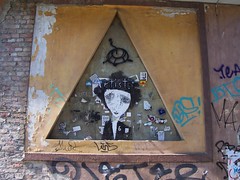
AU HASARD BALZATHAR directed by Robert Bresson (France, 1966)
How you feel about the film depends a lot on how you feel about donkeys. I have fond memories of rides on the beach as a kid but otherwise I don’t have much affection for these stubborn and docile creatures.
At the same time, I don’t derive any pleasure from watching scenes the movie’s animal protagonist is burned, whipped, thumped, shot at and subjected to slave labour.
This systematic cruelty and persecution, which is influenced by Dostoevsky’s The Idiot, is why the film is widely read as a biblical allegory. The fact that Bresson was a Catholic and makes other references to the deadly sins endorse such an interpretation.
The other main thread of the film is the life and loves of Marie who is more sinned against than sinning and is also ill-treated by men. Part of this is her own doing as she chooses the reckless and rebellious Gerard as a lover instead of the more reserved Jacques.
Bresson had a reputation for tortuous rehearsals where he made actors repeat their lines until they were heartily sick of them. He wanted to avoid an overly theatrical dimension to their performances but the result is a series of wooden, emotionally detached dialogues. When the characters talk of love and fear they may just as well be comparing shopping lists.
On top of this, the French director also has an unconventional approach to narrative. While the story broadly follows a linear path there are times when it seems that whole scenes are missing. For instance, we see the police pick up suspects for a murder investigation but we never find out who has been killed!
Such quirky aspects of the movie are praised as Brechtian devices that disrupt and challenge passive viewing. With surreal movies like those of Bunuel or Lynch touches like this are effective in creating a disorienting and/or creepy mood but in this movie, which otherwise has the look of a neorealist drama, they seem to be obtuse for the sake of it.
You won’t find many negative reviews of this movie online, on the contrary you will encounter practically unanimous acclaim. Jean Luc-Godard praised it as a representation of “life in an hour and a half”, it scores 100% at Rotten Tomatoes and was voted by BFI/Sight & Sound as the 16th greatest movie of all time.
I must beg to differ as I found it both boring and uninvolving. I would only be prepared to concede that it is the best French film ever made about a donkey.

 “Film is strange – show women a camera and they show their behinds”.
 She could have saved him and us a lot of time by asking the last question first – “Do you love me totally?”
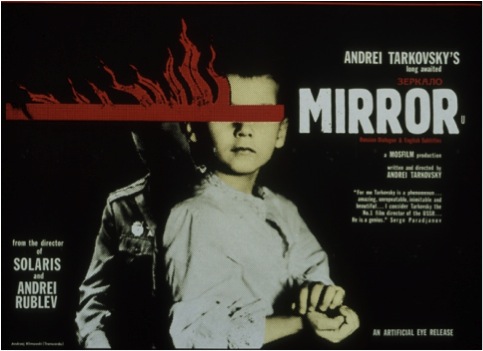
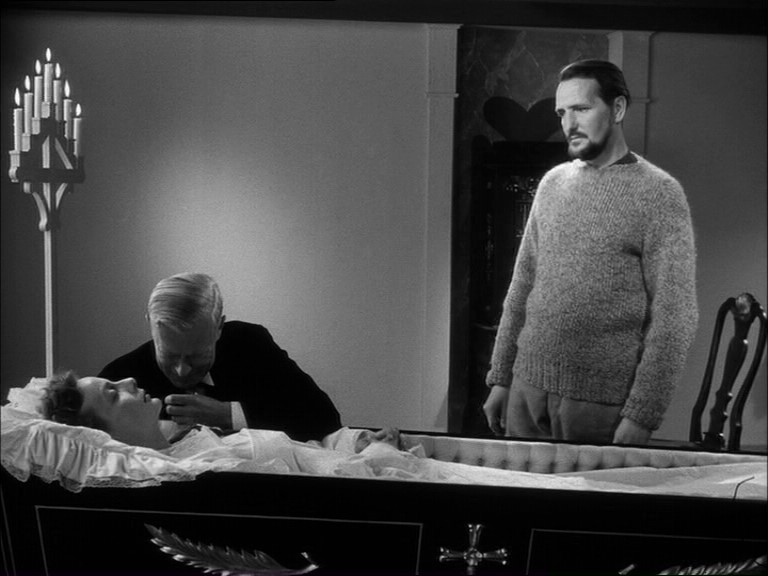
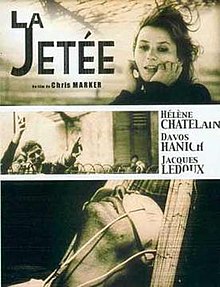
 If you have a good story, you don’t need elaborate sets or A-list actors. This is probably why most Science Fiction works better in books or graphic novels than in big budget movies. These two movies illustrate this point perfectly.