In Britain in the 1960s, films noted for their ‘gritty’ realism were labelled ‘kitchen sink’ dramas. These were mostly set in the industrial north and featured working class characters striving vainly to overcome the drabness and narrowness of their lives. Films like A Kind of Loving (John Schlesinger, 1962), This Sporting Life (Lindsay Anderson, 1963) and A Taste of Honey (Tony Richardson, 1961) are good examples. The Britishness of such titles meant that they were received with a certain level of scepticism or ridicule by American audiences. Pauline Kael mocked the manner in which British film critics had a tendency to “salivate when they hear the tinkle of class distinctions.”
Making a tenuous link to these films, I’ve noticed a recent trend in American cinema for what I like to call ‘everything but the kitchen sink’ (EBTKS) movies. In this category I would place Eddington (Ari Aster), Weapons (Zach Cregger), Caught Stealing (Darren Aronofsky) and One Battle After Another (Paul Thomas Anderson). The latter is far and away the best of a bunch of comedy-dramas that contain veiled but non-specific critiques of Trumpism.
They cover topics like rampant consumerism, conspiracy theories, eco-terrorism and survivalist motivated criminality. The filmmakers seem to subscribe to a belief that if enough mud is thrown at socio-political problems some of it may stick. Invariably, however, they merely induce a level of anxiety that is never satisfactorily satiated. The impression that remains is that they depict a world falling to pieces without there being any obvious means of remedying the situations. They are in this sense all disaster movies.
The latest EBTKS movie I have seen is Mary Bronstein’s If I Had Legs, I’d Kick You. In this, the awesome Rose Byrne plays Linda, a woman on the verge of a nervous breakdown. She is a therapist and mother to a daughter with a serious, though unexplained, medical condition. She is isolated and overwhelmed in both roles and has to contend with domestic drama, unsympathetic health workers and voices in her head that lead her down self-destructive paths . Her husband is no help. He is literally heard but not seen giving advice on the end of the phone doing work that he clearly regards as more important than her daily battles. The accumulation of calamities speak volumes about the accelerated lifestyles that are regarded as the norm in the modern world.
EBTKS films are about chaotic lives in turmoil that make me think of Koyaanisqatsi (Goddfrey Reggio, 1982), a film made long before technology made aliens of us all. The title comes from a Hopi word meaning “life out of balance” and the images contain vivid warnings of what happens when the pace of life reaches an extreme point at which human beings can no longer handle the pressures. This coupled with a heedless disregard for limits of the world’s natural resources is where the world is right now.
By the side of these movies, the British new wave titles seem almost quaint so may just as well have been beamed in from another planet. What connects the two genres, however, is that they focus on narratives of individuals seeking the ways and means to break free of indeterminate shackles that become tighter the more one struggles to escape.

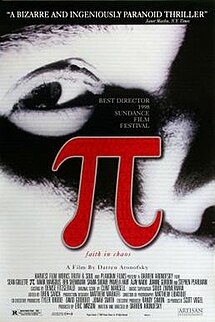 Darren Aronofky’s directorial debut is a horror movie about maths; or , more precisely, a horror movie about a man obsessed with maths.
 I had fun compiling a list of best British cult movies but putting together a year’s best of list is a taller order as I don’t actually go the cinema that much these days.
 Lou Reed is not someone who suffers fools gladly but, despite this, he is a kind of spokesman for the underdog; a poet laureate for the lost or confused.