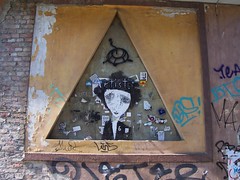
Bob Dylan is 70 today and thankfully,despite all the mountains of literature and analysis, he still remains an enigmatic and fascinating figure.
The fact that he keeps the media circus at arm’s length means that he has cleverly remained aloof from all the usual trappings associated with the cult of celebrity.
He seems to understand, perhaps instinctively, that, most of the time, the more you know about your heroes, the less interesting they become. In your imagination you can create a compelling persona that could easily be destroyed by dull facts. One of the point of .Todd Haynes’ movie ‘I’m Not There’ is that everyone has their own idea of who the ‘real Bob Dylan’ is.
Dylan was not the voice of my generation. I put Joe Strummer and Steven Morrissey on this pedestal. They were the ones singing about the issues I could relate too – a loathing for the Thatcher regime and Royals, an understanding of the tiresome weight of boredom, small-minded prejudice and suburbia.
It was not so surprising that I didn’t immediately identify with Dylan’s protest songs. Martin Luther King was shot in 1968 on my 10th birthday and this was the same year that American involvement in the Vietnam War reached its peak. It is possible to protest against the US invasion or civil rights abuses retrospectively but it’s not the same thing.
I was aware of Dylan’s iconic status, of course. My older brother had his first albums and grew his hair into an untidy afro in time to go to the Isle of Wight Festival in 1970. But the more I heard people say he was a true poet and visionary genius the more I was inclined to ignore him.
It’s a bit like Shakespeare for teenagers. I had to study Othello for what were then called ‘O level’ English literature exam. Teachers seemed oblivious to the fact that we spotty adolescents were not interested in the insidious scheming of Iago or the jealous torment of The Moor; we were more preoccupied by the question of if/when we were ever going to get laid. Continue reading