Tag Archive: Savignano Immagini Festival


PICTURE POST #2 : BELOVED DEATH

Putting Words to images
Beloved

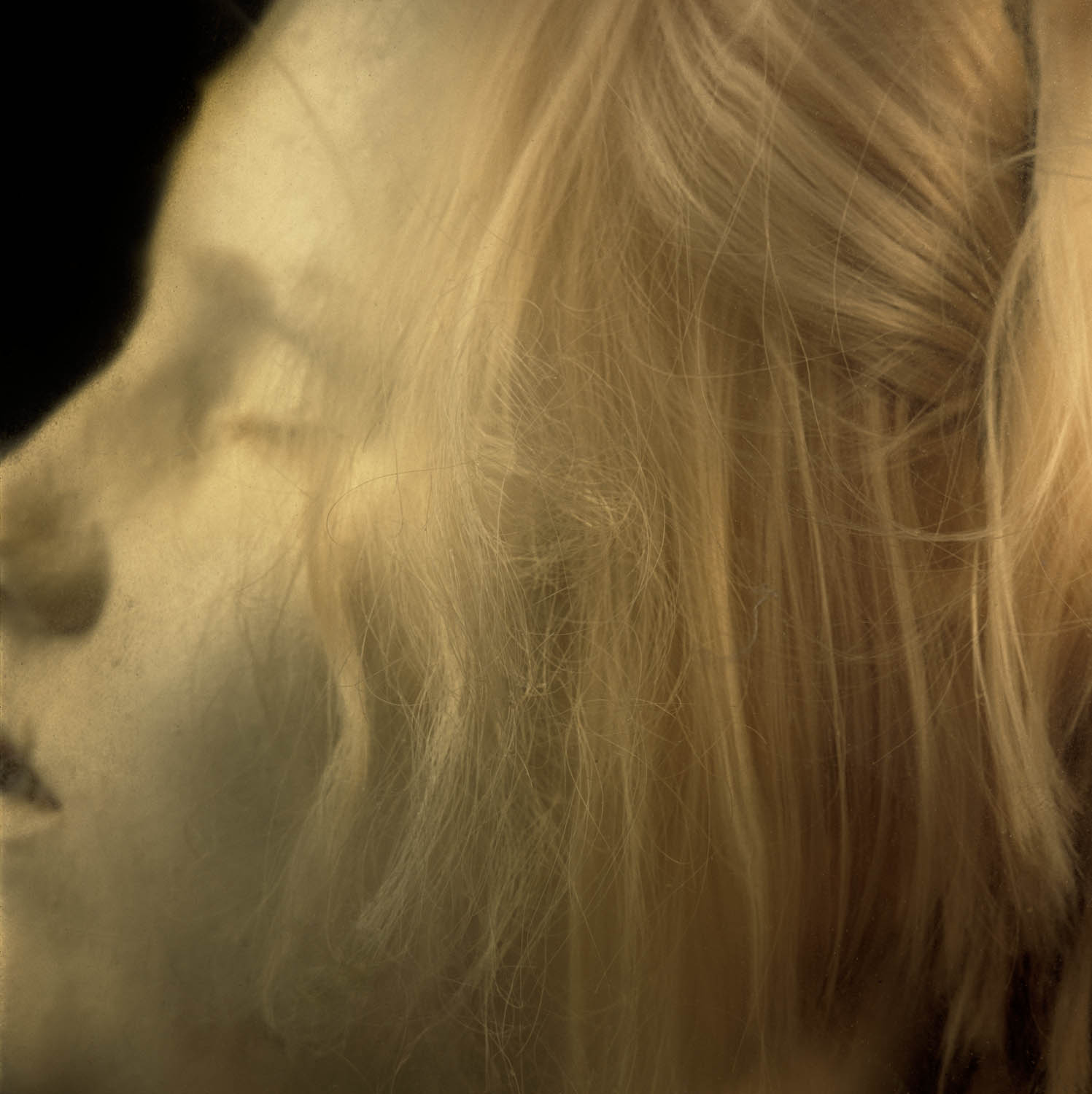
This is a ghostly image, a sepia print as though faded by time. Yet the tightly cropped portrait of a dead woman is not from the distant past. It is one of a series of sobering pictures by Sandra Vitaljic of Croatia in a collection entitled Beloved. Her subjects were all victims of crimes of passion.

In the gallery space where it was displayed as part of the Savignano Immagini Festival you see the photograph in a plastic cube like it was part of a specimen for a post-mortem. It was the only picture where you could immediately identify the subject as female. It was surrounded by other shots of damaged body parts conserved after dissection.

The analytical nature of this presentation makes the photo more chilling. The photographer seems to making a spectacle of this gruesome image in a way I found discomforting. I do not know this victim or what precisely led to her violent end but somehow the picture makes me an unwilling participant in her story.

First in a series putting Words to images.

Birthroom-1990

This is a photograph I saw as part of a small exhibition called The Space I Feel at this year’s Savignano Immagini Festival.

Superficially, the image is not so fascinating yet the sense of balance indicates it is not a random shot.

Some care has gone into the composition but why was it taken?

It is plainly not the kind of picture an estate agent would use; not only is it in black and white but also it gives no clue as to how big the room is or how the space could be used. Continue reading

THE BOTTLE AUDITORIUM

I loved this ingenious ‘interactive ethic monument’ or   ‘bottle auditorium’ which was installed for this year’s Savignano Immagini festival.

In keeping with the festival theme ‘species of space’, it was created by Giulio Accettulli, Claudio Ballestracci and Manolo Benvenuti.

Recorded string music, by Marco Mantovani, is heard only when visitors place their hands under the taps to stop the flow of water.

Each tap is a different channel of the composition so you can create your own mixes. In this way,  light, water, music and people combine in a temporary space where the simplicity of the idea and the thrill of discovery combine perfectly.

STEFANO GIOGLI – TEENAGE KICKS

People over 25 grew up accustomed to playing outdoors and out of sight of their parents. In contrast, today’s teenagers are more likely to stay indoors and do their interaction and exploration via the internet and social networks.

Italian photographer Stefano Giogli takes us into the private spaces of a selection of teenagers in his interesting collection entitled “L’unico ad essere diverso sei tu” (The only one who’s different is you) which I saw at this year’s Savignano Immagini Festival.

Giogli wants to present a more optimistic perspective on young adults than you tend to get via the media. He says: “I wanted to debunk the negative view that adults often have of teenagers as disinterested, all alike, without dreams or expectations.”

His pictures show young men and women, mostly alone, surrounded by their  possessions and in spaces that reflect the diversity of personalities. Some are stark while others seem positively luxurious. Many have written slogans on the wall (or, in one case, on the windows) or have assembled a highly personal collection of images cut from magazines.

The young guy in the photo above suggests that living in clutter can give a sense of comfort.

The subjects of Giogli’s pictures are all fortunate in having a private space in which they can be themselves and have somewhere they can go to think, read, listen, write, play or make music.  They may not be exploring an outdoor environment but the photographs illustrate that having a ‘room of one’s own’ is a vital way to express individuality.


The faces show extreme stress and fatigue like torture victims forced to endure hours of torment by their captors. Not surprisingly they are unwilling to be seen in such a vulnerable state but they have no means of stopping the photographer. The most they can do is hold up their hands in the classic ‘no publicity’ pose, close their eyes or stare blankly; one gives the finger but mostly the expressions are passive as if they are resigned to this ignoble fate, cogs in a system that packages humanity with such brutal indifference.

The subjects of these images are commuters on the Japanese metro shot by German-born photographer Michael Wolf. These are on display at this year’s Savignano Immagini Festival in Italy  and Wolf’s portfolio was easily the most striking of the exhibitions I saw.

The pictures were taken before the awful Tsunami in March and the subsequent radiation leaks from the Fukushima nuclear plant 170 miles away. Immediately after these tragic events Tokyo was reported to be a ghost town but the authorities state that things are getting back to normal.

By normal, I presume they mean a resumption of herding and packing workers in subway trains in this horrible fashion. Wolf’s photos give a  shocking and stark exposé of an overcrowded metropolis where commuters endure the same indignity as animals packed into trucks in readiness for a final journey to the slaughterhouse.

Three images from the exhibition at Savignano Immagini Festival