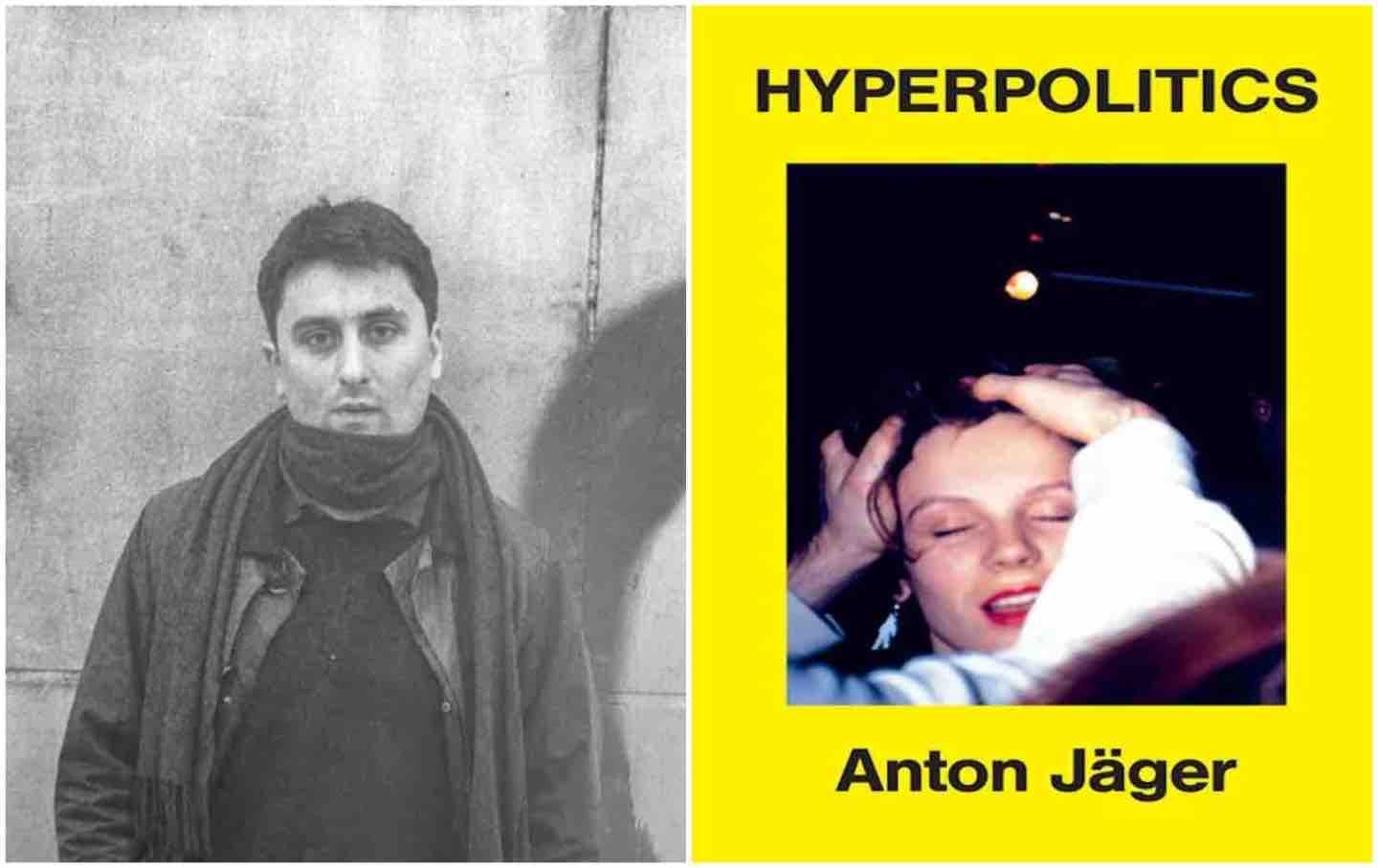
HYPERPOLITICS by Anton Jäger (Verso Books, 2026) HOW TO STAY SANE IN AN AGE OF DIVISION by Elif Shafak (Wellcome Collection, 2020)
I am constantly searching for books that make sense of our messed up world.
I don’t imagine for one minute that I am alone in this regard.
Above all, I am looking for some glimmers of optimism when all the evidence seems to indicate that the human race is doomed to repeat errors of the past and make still more calamitous mistakes in the future.
These two short books, 128 pages and 96 pages long respectively, are by writers who well aware of the scale of the task and under no illusions how urgent the predicament is.
The demise of any sense of collective values and rise of narcissistic individualism is vividly documented by Anton Jäger. He writes how “Today’s societies are composed of increasingly atomized and isolated individuals” and links this with the pace of living by observing that “atomization and acceleration go hand in hand.”
The consequences for democracy are indeed grave. A healthy scepticism towards politicians and corporate institutions has led not to a new radicalism but to a bitter cocktail of disillusionment and apathy. A breakdown in work-based unions, a reduced interest in political parties and apathy towards civil groups just causes individuals to feel increasingly isolated. This leaves them (us) at the mercy of conspiracy theories that simplify complex questions and provide no meaningful answers. People are lonelier, more agitated, angrier and more confused. Quoting Tom Peeters, Jäger ends his short thesis with a resigned reflection that “The true challenge – to change things – appears nigh on impossible.” This is not the conclusion I was looking for even though I fully understand the reasoning behind it. ‘Hyperpolitics’ merely confirms the dire situation humanity is in but offers little in the way of hope.

I turned to Elif Shafak looking for something more hopeful and found her reflections more comforting. Hers is a plea for greater tolerance and openness. She writes: “The moment we stop listening to diverse opinions is also when we stop learning.” She urges us to read more and resist the urge to rush to judgement or to constantly seek instant gratification.
She also warns against getting stuck in echo chambers that merely help rearrange our prejudices rather than encourage new ways of thinking. She understands how hard it is to feel positive but advocates the cultivation of “conscious optimism” combined with “creative pessimism.” Although short on specifics, her book contains valuable practical advice to avoid collective insanity.
In both books the selfishness and blinkered thinking that comes with heightened individualism is identified as being the root of the seemingly endless political and social malaise we are all facing
Recently, I re-watched John Sayles’ masterly1987 film ‘Matewan’ which is based on the real events of 1920 during a protracted coal miners’ strike in a small town in the hills of West Virginia. In despair at the lack of progress against the bosses, one of the workers, with rifle in hand, says “We’ve got to take care of ourselves”. An unarmed union man responds by saying “We’ve got to look after each other.”
This reply makes a fine distinction but a crucial one. The first solution is to seek personal vengeance ìn the face of injustice. The second visualises a collective response that takes into account how other people are affected. Fury and rage are understandable reactions to oppression but unless tempered by kindness and compassion they merely trying to put out fire with gasoline.
The search for hope goes on. The fact that I am still looking at least proves that I haven’t given up yet!